
About SMA
Further than anyone expected. Not as far as families need.
What SMA is
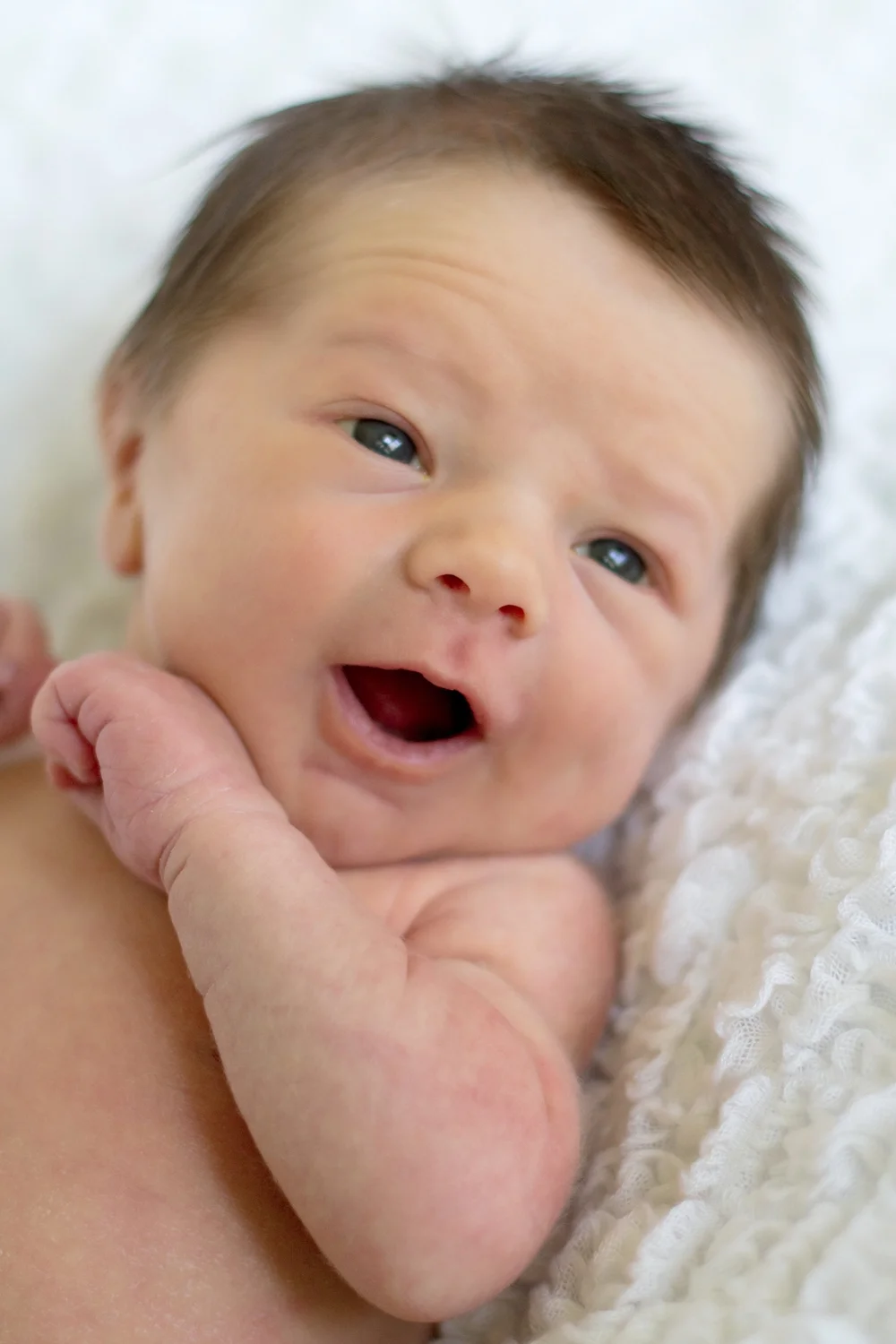
Spinal Muscular Atrophy is a genetic disease that causes the loss of motor neurons — the nerve cells that carry signals from the spinal cord to the muscles. Without those signals, muscles weaken over time, affecting movement, and in more severe cases breathing and swallowing.
SMA is caused by a change in a single gene, SMN1, and is inherited when both parents are carriers. Type 1, the form William was diagnosed with, appears in the first months of life and is the most severe. Because the disease progresses fastest early on, how quickly a child is diagnosed and treated shapes the rest of their life.
Why we fund research
Our two children were diagnosed four years apart, and their outcomes were shaped by what research had made available in between. That difference is the reason this foundation exists. We fund Cure SMA, the organization leading SMA research worldwide, because the next family's outcome depends on work being done right now.
2011
No approved treatment
Families receiving a Type 1 diagnosis were told to prepare for the worst. Care was supportive only.
2016
First treatment approved
The first drug shown to change the course of SMA reached families, after decades with nothing to offer.
2018
SMA added to newborn screening
Our family helped lead the effort to add SMA to the recommended newborn screening panel. Every baby born in the United States is now tested at birth.
2019
First gene therapy approved
A one-time gene therapy became available for children under two, aiming at the cause of the disease rather than its symptoms.
2020
Treatment at home
An oral treatment made ongoing therapy possible without a hospital visit for every dose.
What’s still needed
Treatment is not the same as a cure.
Today's treatments slow or stop the loss of motor neurons. They do not restore what was already lost, which is why the children diagnosed before screening existed still live with the disease's effects, and why timing matters so much for those diagnosed now.
Research still needs to answer what happens across a full lifetime on treatment, how to help older children and adults regain strength, and how to reach families whose access is limited by geography or insurance. That work is where our funding goes.
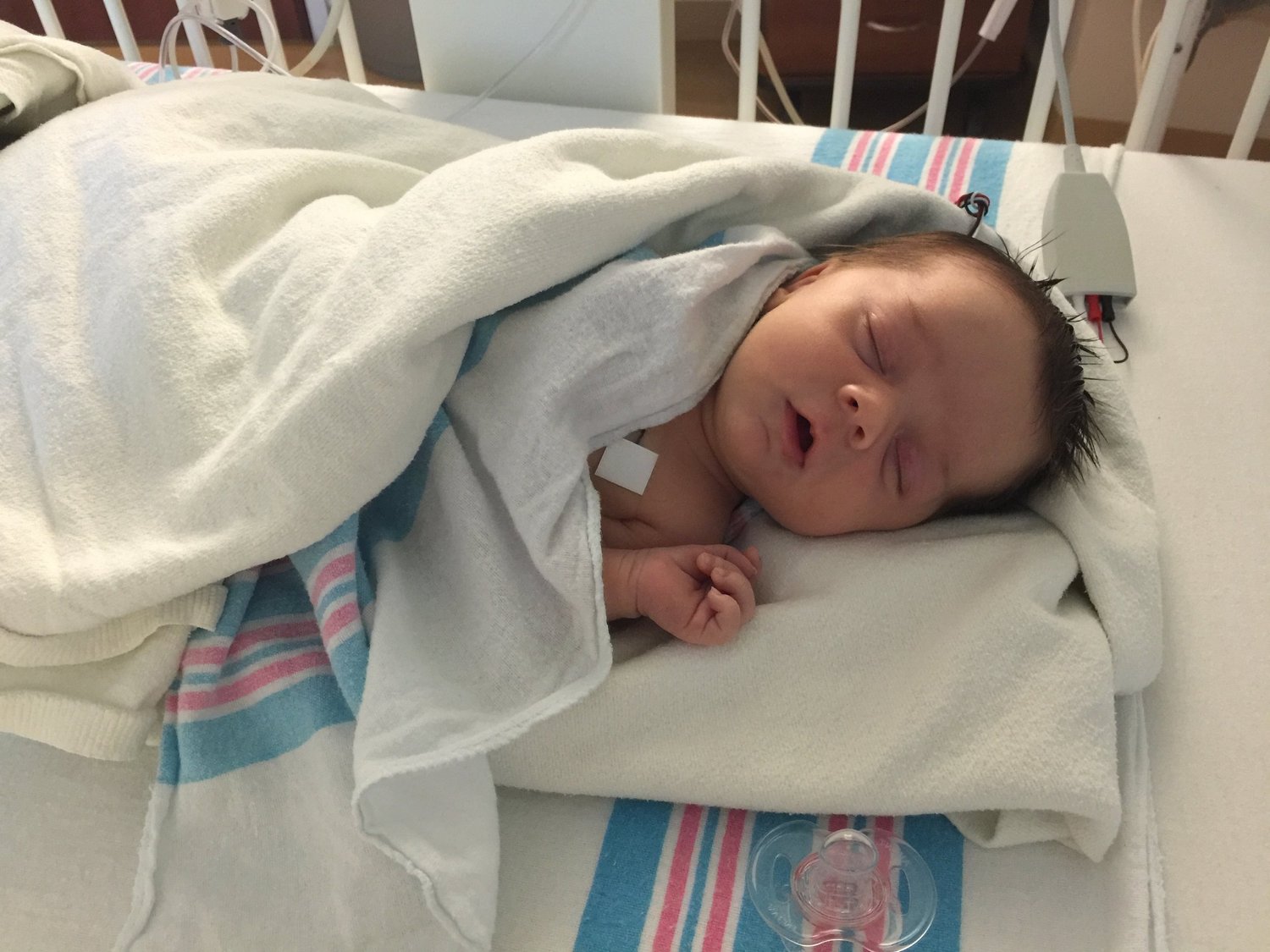
Mary was one of the first infants enrolled in a clinical trial, and she still participates today. Trials are how the next treatment reaches the next family.
Families considering a trial usually start with their SMA care team, who know which studies are enrolling and whether a child is eligible. Cure SMA maintains a listing of active trials, and the clinical trials registry run by the National Institutes of Health lists every study currently recruiting.
Step one
Talk with your SMA care team about eligibility.
Step two
Review the trials currently enrolling.
Step three
Ask us — we can connect you with families who have been through it.
Give
Refusing Impossible. Creating Hope.
Research is how the distance still remaining gets closed.
Fund research